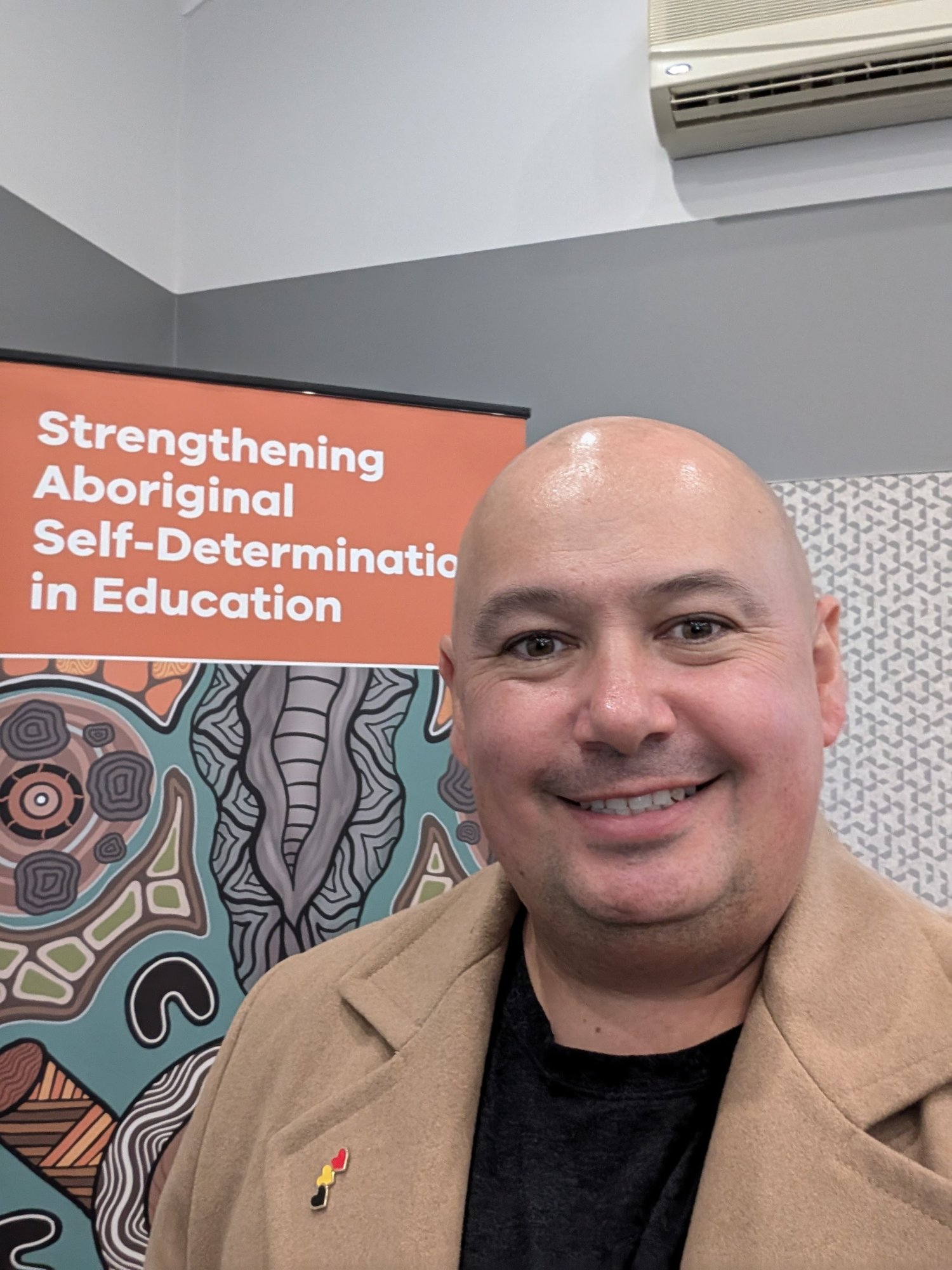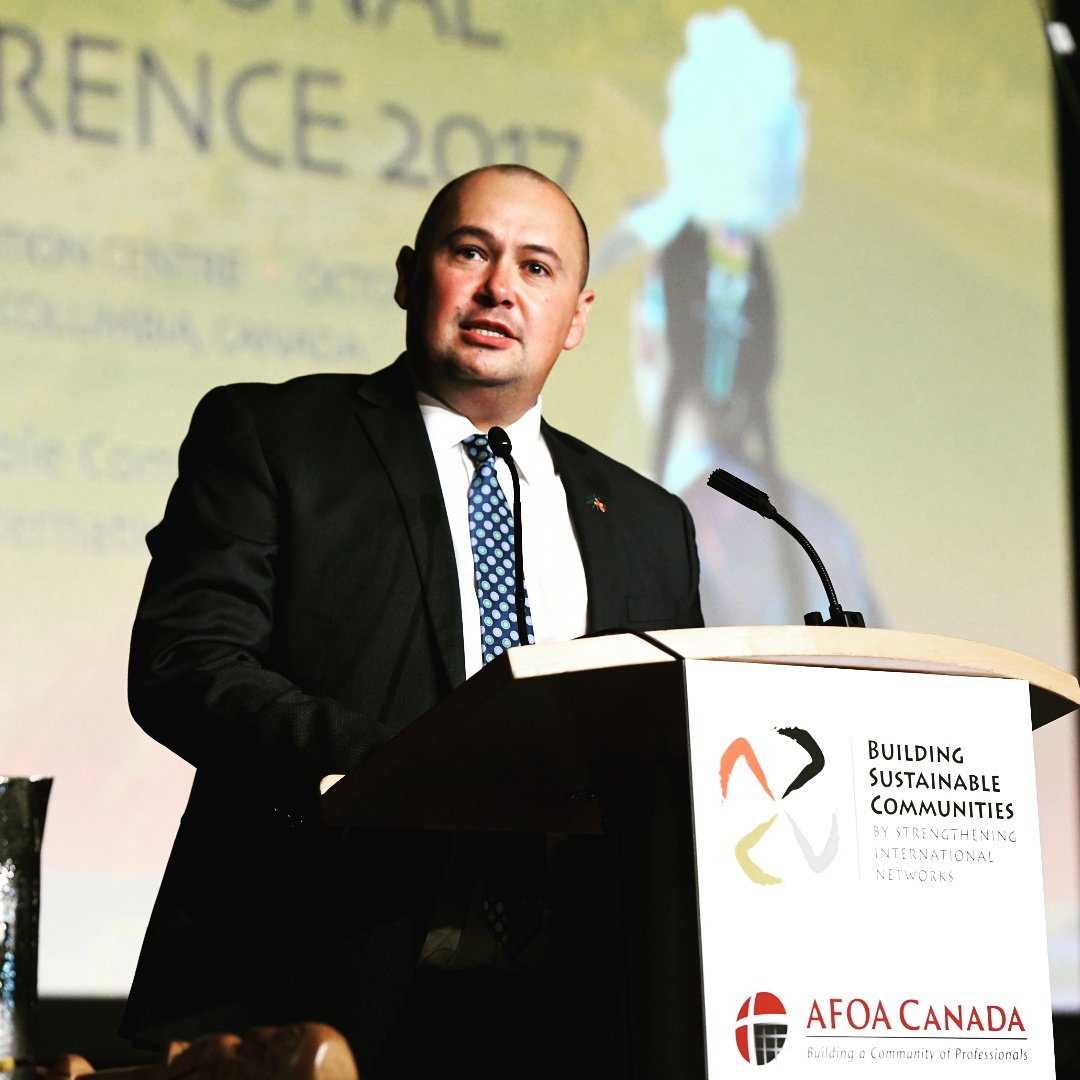
When I was younger, I used to sit on mountain where I lived and listen. I always felt like the mountain was talking to me. Later in life I would learn the cultural signifcance of listening to country and the meaning of Dhungai. In my culture, the land talks through you, and the ancestors talk through the land. The old people said the ancestors were telling me, through that mountain, where I would end up. Helping people. Working on big problems. Bringing people together. I have never once felt I was lacking a purpose. That feeling has never left me.

I am a Mununjali and Migunberri man of the Yugambeh language group, on my father's side. My Country is in South East Queensland. I have lived most of my adult life in Narrm, Melbourne, on the unceded lands of the Wurundjeri Woi-wurrung people of the Kulin Nation. Sovereignty was never ceded. That is not a phrase I say lightly. It is a fact I work inside every day.
I am a facilitator, a keynote speaker, and an MC. I coach leaders. People bring me into the rooms where a conversation has already broken down, or where one needs to happen and nobody knows how to start it. Board awaydays. Executive offsites. Governance reform. On-Country circles. The work is usually the same: a difficult conversation that has to be respectful and honest at the same time, because anything less than both does not hold.
I have spent a lot of years learning how to do that well. I listen first. I have keynoted at sustainability, energy, leadership, and education conferences. I have represented First Nations business internationally, including at APEC. I am regularly brought in to talk through the structures and processes that build better teams, better organisations, and genuine First Nations engagement — the kind that goes past a statement on a website and changes how a place actually works.
I have always been an entrepreneur. As a kid I ran a truck-washing business and paid the younger kids in pies and cans of Coke, because that is what they wanted. The instinct never went away: see a thing that needs doing, build something around it, bring other people in.
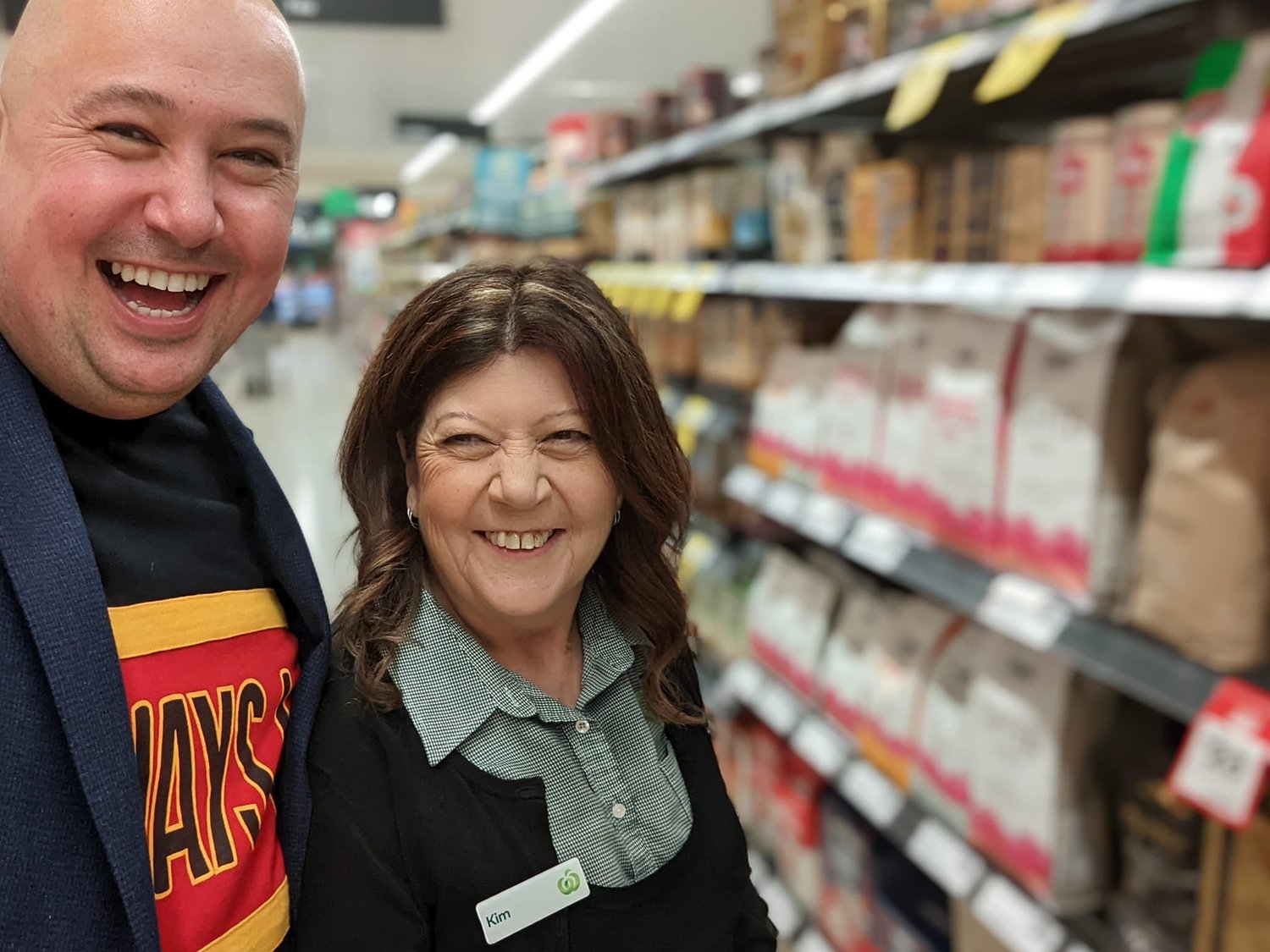
Some of what I built worked. I co-founded DHUWA Coffee, the first Indigenous-owned coffee brand stocked in a major Australian supermarket, now in more than 900 Woolworths stores nationally. During COVID, a business I chaired delivered 120 tonnes of hand sanitiser to Woolworths in a matter of weeks, which helped keep their stores open and their people safe. I built Indigicate, an Indigenous-owned outdoor education company that took thousands of young people onto Country and reached more than 60,000 people across six countries before it closed. I led the development of Victoria's First Peoples Renewable Energy Strategy inside government. I have helped develop children's conferences in Switzerland and led delegations of Aboriginal young people to international children's rights spaces.
Some of what I built failed. I am honest about that, because the building and the rebuilding are the same skill, and pretending otherwise would be a lie. I am a reformed gambling addiction. Earlier in my life, that addiction pulled apart businesses that had real promise. It took me four years of working on myself to come out the other side. I started again with twenty dollars. I talk openly about being strongest when you are at your weakest, because I have had to live it, not just say it.


I talk about the hard things. The things that need to change. Where I have succeeded and where I have failed and what the failure taught me. Pretending the difficult things are not there has never once made them smaller. I am a proud girl dad and a feminist, and I do not leave the conversations about misogyny and toxic masculinity to women. I was successful on paper long before I felt safe in myself, and closing that gap — in people and in the organisations they lead — is most of what I work on now.
My approach is grounded in First Nations ways of working, and it should be. First Nations Australians are talented, strong, and carry a beautiful and living culture. The deficit story told about us for generations was never the truth. It was a framing, repeated until people forgot it was a choice. My work is helping people see past it, and then do something with what they see. I have been brought into a lot of spaces where a hard conversation had to be had. What I have learned is that those conversations are not won by being the loudest or the cleverest person in the room. They are built on listening, on working alongside people, and on bringing them together to heal. That is the work. It is what I am taking forward now, in coaching, in leadership and communication training, in the writing, and in everything we are building under Be Brave, Feel Safe.
Brave spaces are the pathway. SAFE is the outcome.
If your organisation is circling a conversation it keeps avoiding, that is exactly where I do my best work. Let's have it. Stay Deadly.